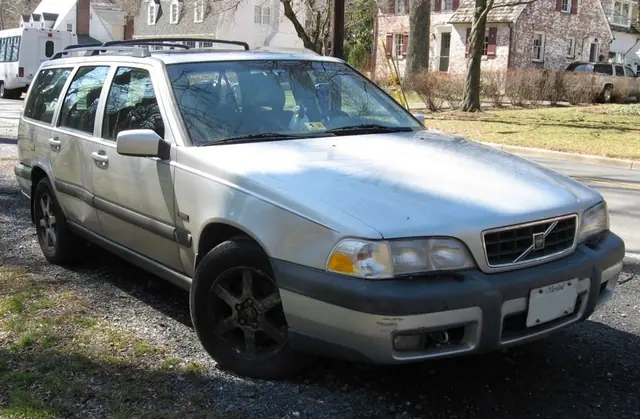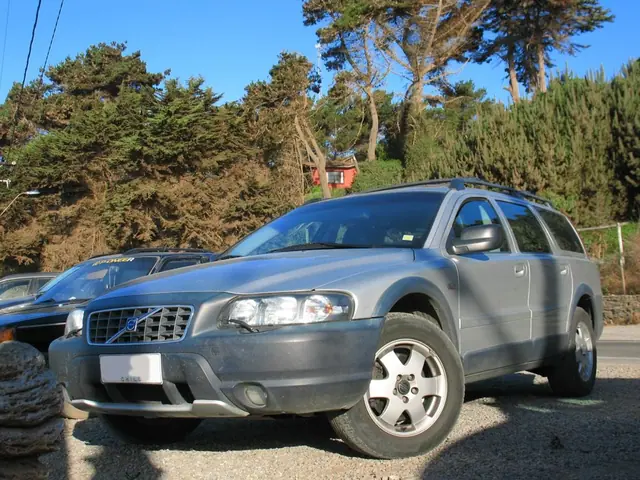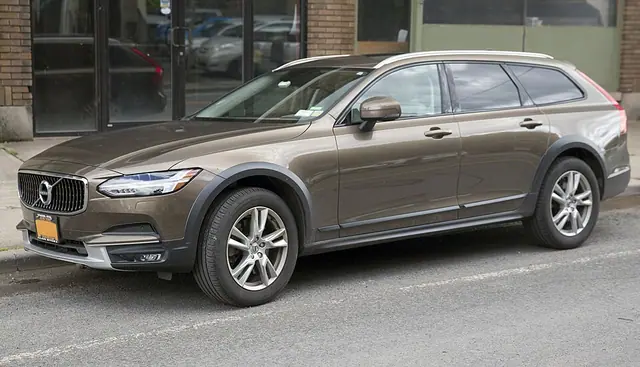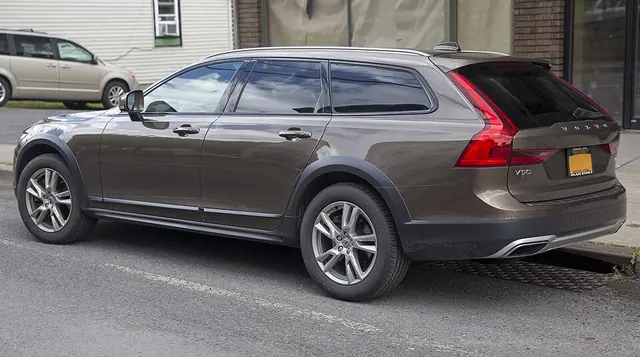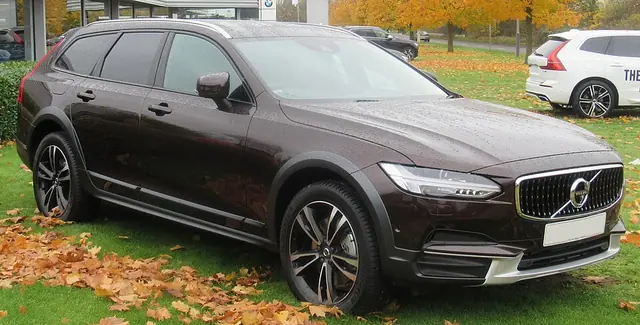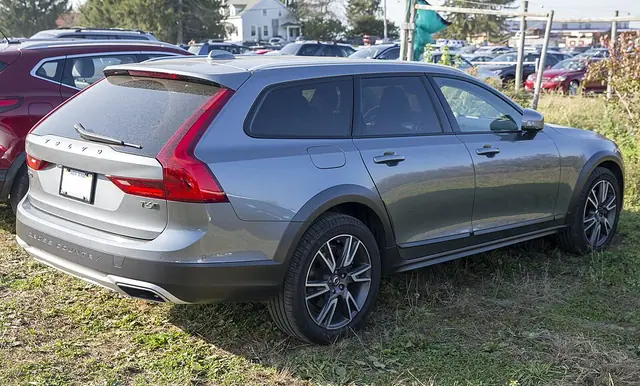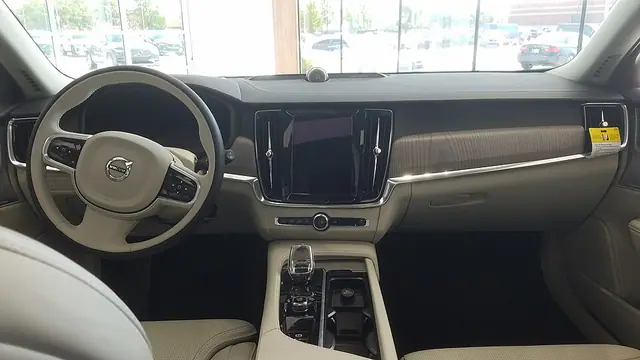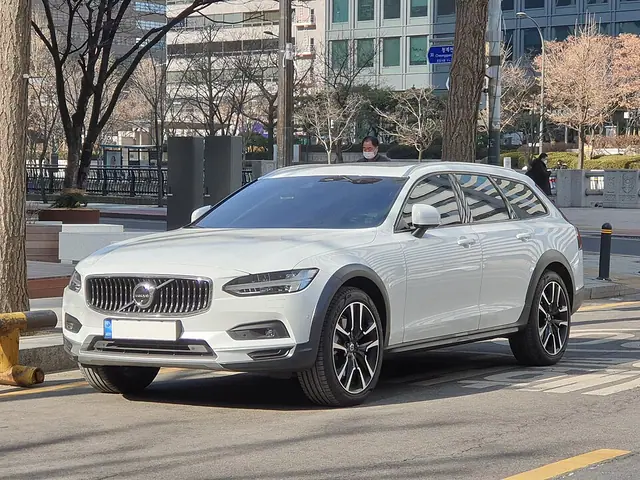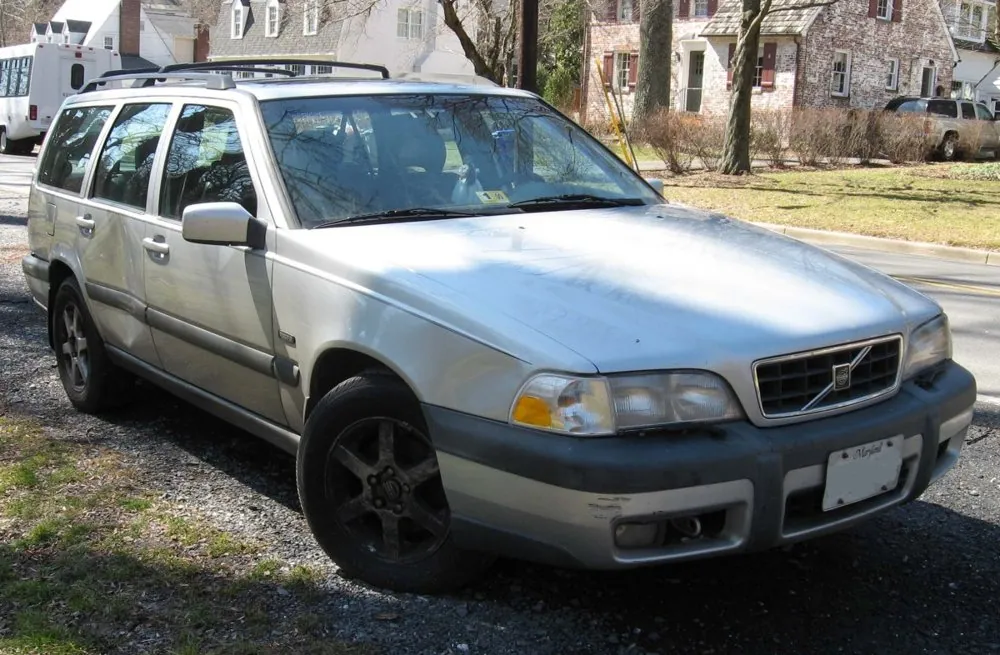
In 1997, with the V70 XC, Volvo created one of the first "raised estates": a car with the space and comfort of a large estate, but with more ground clearance and all-wheel drive, as an alternative to off-roaders. The idea became one of the brand's symbols and was carried over to the V90 Cross Country, the last large Volvo estate of this kind. With the end of V90 production in 2025, Volvo effectively abandoned the large estates it had been known for for decades.
Story
The first Volvo Cross Country was created in 1996 and was presented to the public in September 1997 at the Frankfurt Motor Show as the V70 XC (initially also the V70 AWD Cross Country), for the 1998 model year. It was a V70 estate with all-wheel drive as standard, suspension raised by 35 mm and ground clearance 26 mm greater than the ordinary four-wheel-drive version, and it was recognisable by its special bumpers, unpainted side trim and sills and the Cross Country lettering on the tailgate. Volvo conceived it as an alternative to off-road vehicles, which were then turning into urban SUVs, and it sold particularly well in North America. Volvo says that for many people the Cross Country became "the very image of a Volvo", perfectly suited to Sweden's harsh climate and poor roads.
The second generation, from 2000, got even more ground clearance, 210 mm, and when Volvo's first SUV, the XC90, arrived in 2002, the raised estate received a newer all-wheel-drive system and, from the 2003 model year, the name XC70, to emphasise its link with the larger model. The third generation of the XC70 appeared in 2007 and was more luxurious; according to Volvo, almost half of production went to North America. In 2014 the XC70 became known worldwide as the car of the Swedish footballer Zlatan Ibrahimović from a Volvo advertisement, and sales rose noticeably in the last years of production. The last XC70 was built on 13 May 2016.
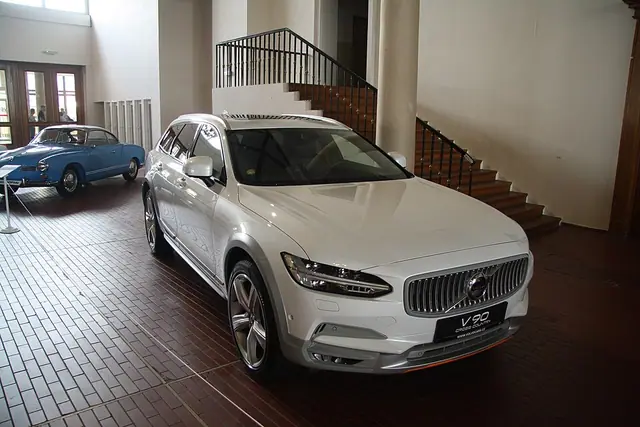
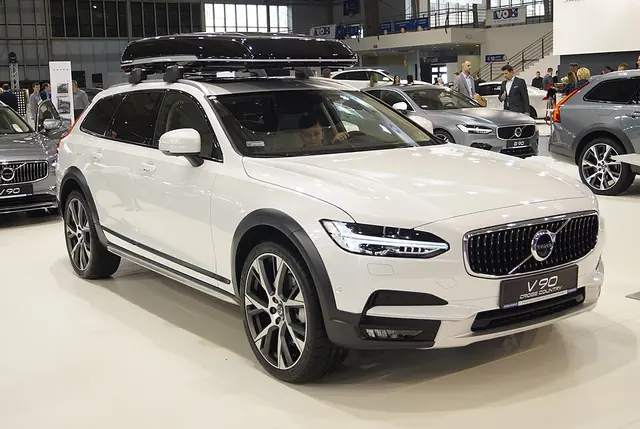
The successor came from the new 90 series, which Volvo developed under its Chinese owner Geely on the SPA platform. The V90 estate was unveiled in March 2016 in Geneva, and the V90 Cross Country in mid-September of the same year, at three simultaneous events in Malmö, Switzerland and the USA. Compared with the ordinary V90 it was raised by about 60 mm, to 210 mm of ground clearance, and had all-wheel drive, black protective cladding around the wheels and bumpers and a different grille. Like the whole series, it had only two-litre four-cylinder engines, which was a novelty for Volvo in the luxury class; the most powerful petrol versions had both a turbocharger and a supercharger. Deliveries began in early 2017.
The V90 Cross Country was particularly important in the USA, where the ordinary V90 was withdrawn from sale after 2021, leaving only the raised version. For the 2017–2018 Volvo Ocean Race sailing race a special Ocean Race series with orange details was made. The model was facelifted in 2020, and later received mild hybrid engines, in which the mechanical supercharger was replaced by an electric one. As Volvo turned towards electric cars and SUVs, V90 production ended in 2025; according to the English Wikipedia, the last car was built in October 2025. This ended, after more than six decades, the production of large Volvo estates.