Founding and founders
Until 1925 General Motors assembled lorries in Britain from Canadian parts and sold them as "British Chevrolets", since products from the British Empire paid lower duties. In November 1925 GM bought the British firm Vauxhall Motors, whose factory was in Luton, in the county of Bedfordshire. There, from 1929, Chevrolet Bedford lorries were built, named after Bedford, the county town, and in April 1931 the Chevrolet name was dropped and the first Bedford, a two-ton lorry, was born. Much of its success was owed to Chevrolet's reliable six-cylinder engine.
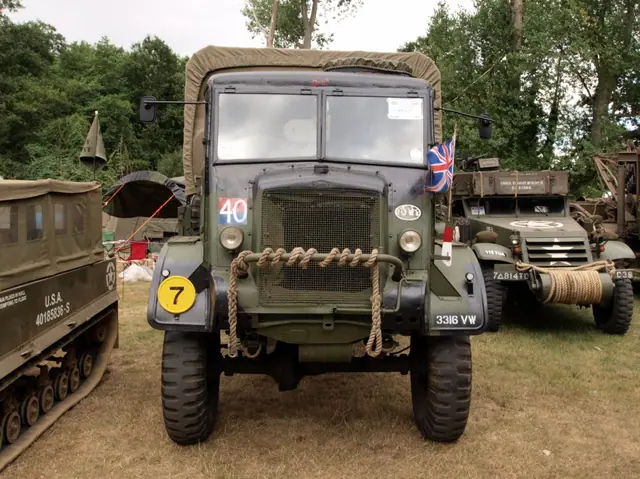
In the 1930s Bedford quickly became one of Britain's leading makers of lorries, buses and vans, exporting throughout the British Empire. In the Second World War it built military lorries in huge numbers: almost 66,000 of the light MW truck were made, and soldiers called the four-wheel drive QL the "Queen Lizzie". At Luton Vauxhall also built the Churchill tank, which after Dunkirk had to be designed and put into production in just a year: about 5,640 were built.
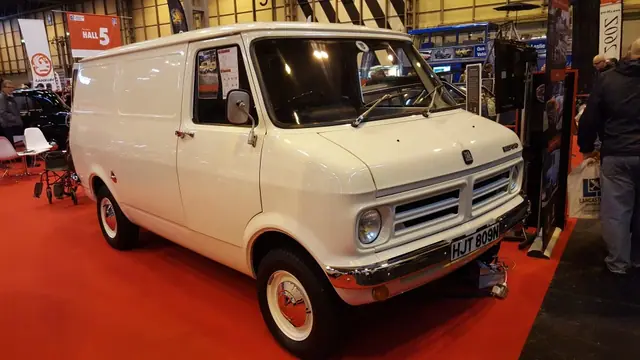
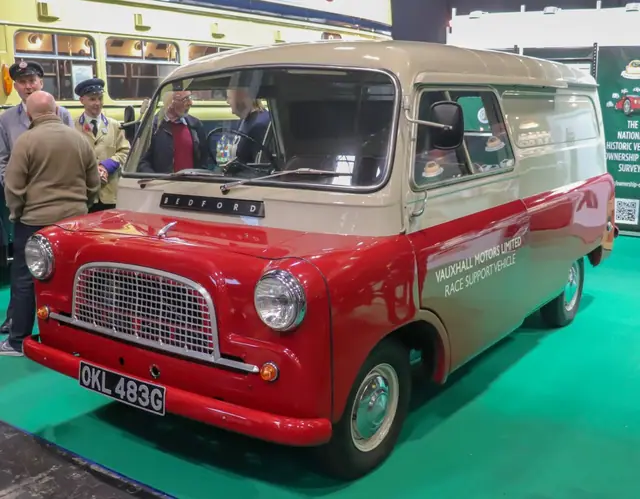
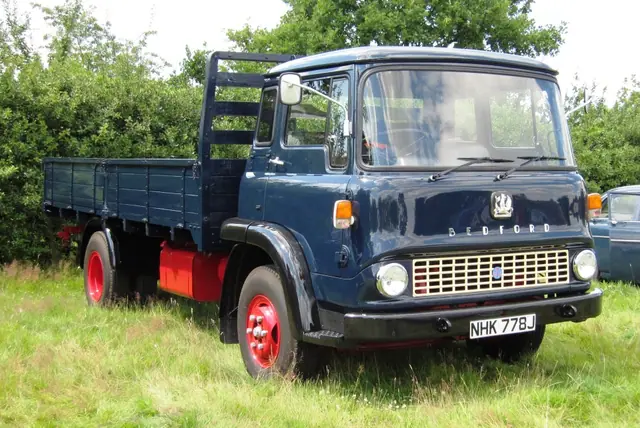
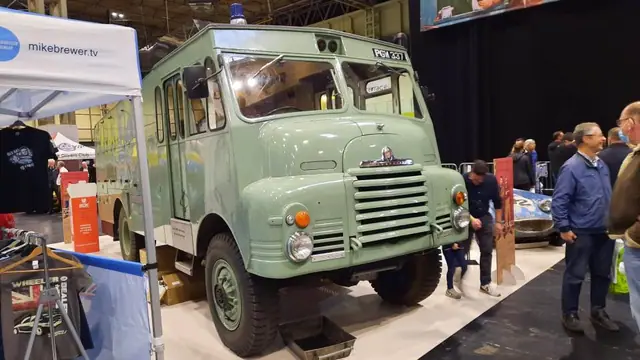
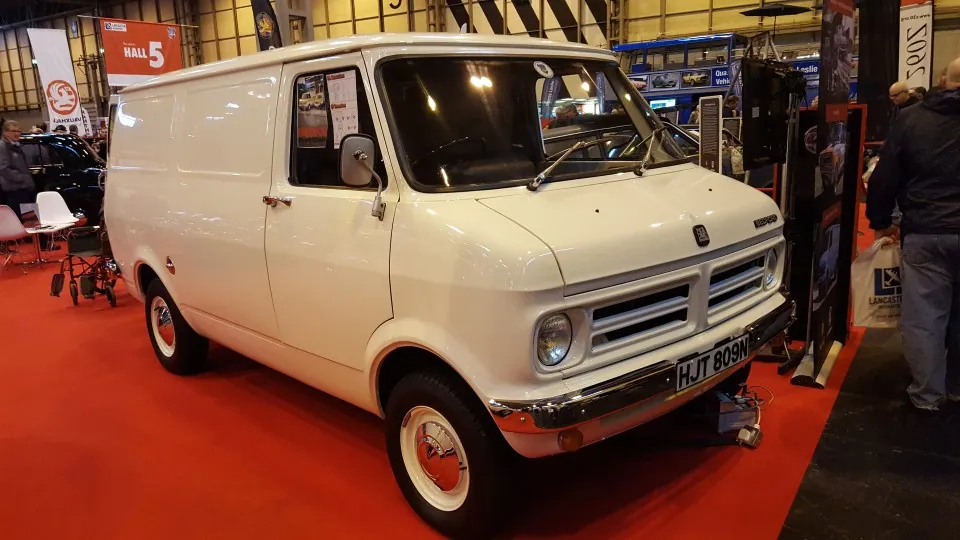
After the war came the CA van (1952), a favourite base for ambulances, campers and ice cream vans, the SB bus, the S-type lorries and the "Green Goddess" fire engine, and in 1959 the TK lorry, which in the 1960s and 1970s was the quintessential British light truck. The CF van of 1969 was the answer to the Ford Transit. But Bedford's lorries grew outdated, sales fell, and in 1986–1987 GM gave up heavy vehicles: the Dunstable plant was sold to AWD, and the Luton van plant became a joint venture with Isuzu, IBC Vehicles. After that the Bedford name appeared only on rebadged Isuzu, Suzuki and Opel models, until the brand was retired.
The meaning of the logo
The name Bedford comes from the town of Bedford, the county town of Bedfordshire, where Luton lies. Bedford had no complex emblem full of symbols: its vehicles were recognised by the BEDFORD lettering in capitals on the grille or bonnet, and on some models in a shield-shaped badge. The first lorries also carried the Chevrolet name, and until 1931 they were called Chevrolet Bedford.
Key moments
- 1925. General Motors buys Vauxhall Motors.
- 1931. In April the first Bedford, a two-ton lorry, is built at Luton.
- 1939. Production of the MW military truck begins; the four-wheel drive QL and the Churchill tank follow in 1941.
- 1952. The CA van.
- 1959. The TK lorry, which becomes Britain's most common light truck.
- 1969. In November the CF van is launched, a rival to the Ford Transit.
- 1982. The electric CF Electric goes on sale.
- 1986. The Luton van plant becomes IBC Vehicles, a joint venture with Isuzu.
- 1987. The Dunstable lorry plant is sold to AWD.
- 1990. The Bedford name is withdrawn from vehicles.